My husband’s question
The previous entry was one of the very hardest to write so far. Every fiber in me just wanted to beg off writing it. I could barely force me to the keyboard, and I felt such a heavy load of pure exhaustion.
My husband asked me, “Was the desire to avoid writing because I was afraid to show my shame publicly to my readers?”
I thought that was a good question, so I wanted to answer it here.
My mentor’s question
In reality, at my current age, I don’t really care if I share my moments of shame publicly anymore. What is the worst anyone can do to me? Think poorly of me?
And do I think I am the only person who has ever failed to live up to their ideals and ethics at some moment of their life? As a mentor once said to me:
“Did you expect to be perfect?”
If anyone thinks that this story is of me being the totally strong, ever pushing hard forward hero, who never slipped and fell or erred in choices, they will be disappointed. There are more shames to come, more poor choices. I was not perfect. I can simply say I did the best I could at any point, even in my mistakes. Sometimes our best is wonderful, and sometimes our best is flat-out poor. But I tried. And when I failed, well, in writing what it was like then, I can now see I was simply human, pushed too far.
Answers…to his question, and mine
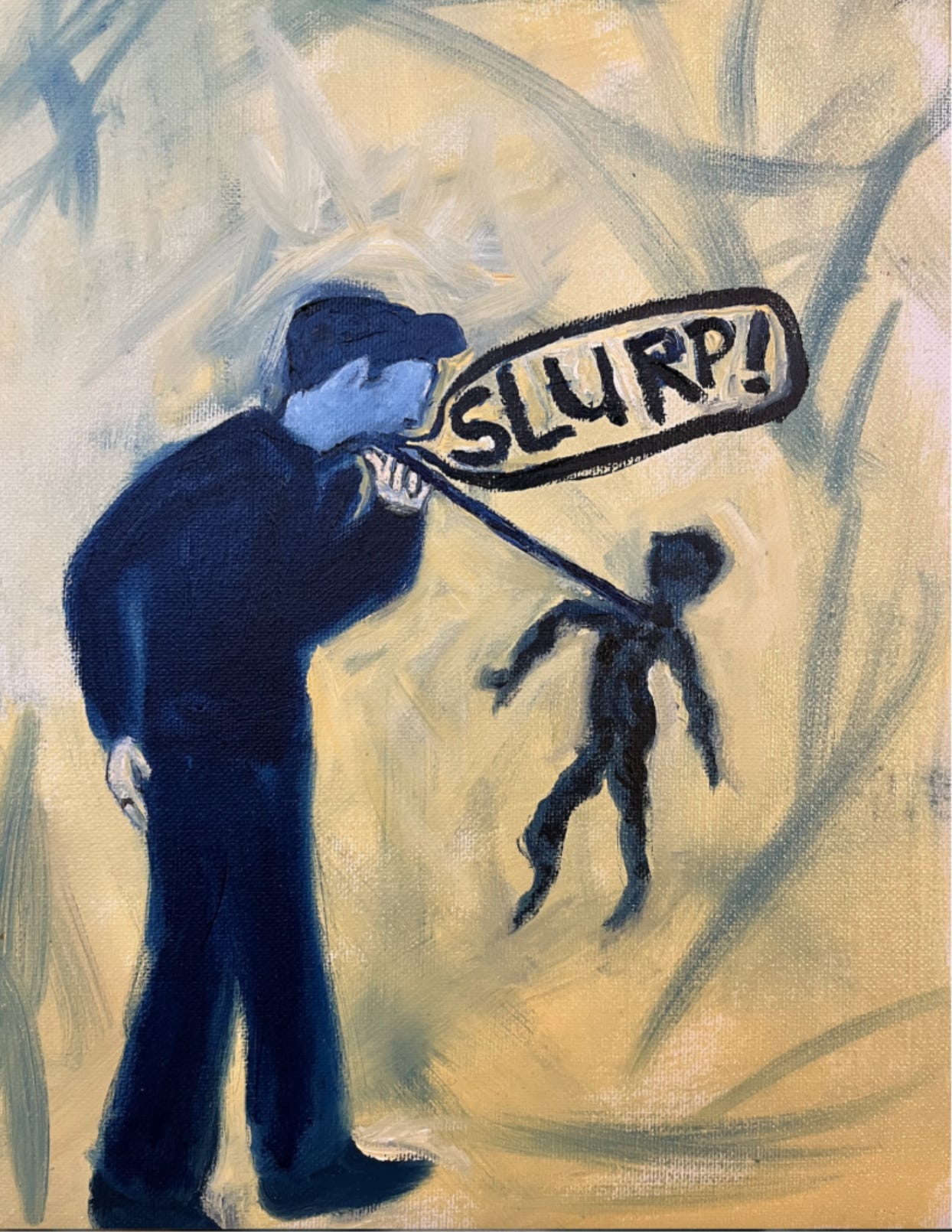
Life…Dad…sucked me dry. Like a parasite, he took my future from me in so many ways. And I will write more later, about the sense of loss over that, the sense of having my future trajectory stifled because of his selfishness.
For now, I will simply say this. In writing, I am striving to show what happened, how I responded, both in successes and failings…basically, telling it as honestly as I can. So I want to show all of my life, even when I came up short.
To answer my husband, the aversion to writing, the huge exhaustion I felt, those were not me shying away from telling my story publicly. It was literally reliving the sense of what I was feeling then, all those years ago.
For a lifetime, I ran from looking back at my younger self, despised her, and viewed her as weak and dirty. I essentially dumped more abuse on me by refusing to love that part of me and understand what she was going through. So to have to open up that part of my life, and feel again what I felt then, was equally crushing.
Do I regret going through yesterday, reliving it, writing it?
NO.
In fact, I feel relieved.
I feel a dawning of a new view of myself, and the start of an understanding of just how bad it was, and just how much I truly tried to fight back even as I was unequipped to do it.
As I continue writing the story of this part of my life and read through my journals, I am starting to see just how many times, in spite of “breaking,” I would get back up again. That I sometimes caved and collapsed was not a failure. It was inevitable. But…after a period of despair, I would “Yo-Yo” back up.
The necessity of “breaking”
Admiral James Stockdale, the senior naval officer in the Hanoi Hilton prison camp during the Vietnam War, talked about helping his subordinates navigate the necessity of “breaking.” All of them were tortured. All of them strove so hard to never break, never give information. At some point, though, all of them had to. It was impossible. And the worst part for all of them was the sense of immense shame that they weren’t strong enough to hold out. That by breaking, they failed.
They would fall into despair, thinking they had betrayed their country, their comrades, and their ethics, and they thought they were the only ones who had broken. This kind of despair could kill a man. And Admiral Stockdale understood that. He was determined to lead his men in a way that allowed them to keep their dignity, know they weren’t alone, and to fight back in a different way.
Breaking “your way”
Just before he deployed to Vietnam, he finished his master’s degree studies. One of the areas he focused on was the ancient philosophy of Stoicism. Not “stoic” as we think of it — no feelings, ice cold — but the philosophy of a man called Epictetus. He was born a slave in ancient Greece, yet became the learned teacher of Roman emperors. He taught that while we may not control the events outside of us, we can still carry an inner freedom and dignity by controlling our responses to them. In that way, it is a philosophy similar to Buddhism, and to the thinking of Viktor Frankel and others suffering in Nazi death camps during World War II. I will write about Frankel and his effects on me soon.
But because of what he learned about Stoicism, Stockdale was able to apply those teachings to craft a way of surviving the torture in prison and maintain his mental and moral integrity in the face of physical and mental hell. He understood that total resistance was impossible. Instead, he would resist as long as he could, then break when he chose. He would then give “some” information or outright lies to stop the torture. Then he would start over again to resist. Every time they interrogated him, they had to start from scratch to break him first, before he would say anything.
He taught this method to his men, impressing on them that breaking was acceptable, but to break in a way that offered the most resistance. This way, the men could know they did their best, maintain their dignity, and live to fight back another day. By making their captors have to fight for a long time before they got any bit of information, true or not, it allowed the men a method to keep their sanity and sense of military honor. Those who insisted on trying to be perfect often didn’t survive.
Seeing me in a new way
When I read about this, I realized that I had used Stockdale’s method, partly. For sure, I held out as long as I could before yielding to his pressure. I had done that my whole life. But the trouble was, I was always seeing those moments of my eventual “breaking” as moral failures. That’s what was destroying me then. I didn’t understand that what I thought was failure was actually me defying him the best way I could then.
After reading Stockdale’s teachings about choosing how to break and how to fight in a no-power situation, I am starting to see me in a different light. I lived in a situation where I had no power. I had been brainwashed since birth to put others’ needs before my own, and to believe that in spite of the “bad times,” my household was “safe and loving.” He has stolen the years of normal emotional and psychic development, leaving me unable to navigate the world as a normal adult.
Reading through my old journals now, I am slowly starting to see that younger, battered version of myself, not as a dirty, weak failure, but a truly courageous person up against forces I was not prepared to defy. And yet, I would somehow keep trying.
So, no. I am not ashamed to tell the world my failings. Who hasn’t failed at some point? And maybe if we all took a step back, we’d see that some of those failings were just us doing the best we could in any moment, to keep going until something changed.
If there was any resistance to writing that piece, it is simply that I could feel again the heaviness, the exhaustion, the sheer despair of that time, and it was all I could do to type the words on the keyboard.
Now, back to the story…
Tags: God, life, love, mental-health, writing
 Soul Mosaic
Leave a comment