“Life presents you with a text, but it is your meditation upon that text which gives it meaning and relevance.”
2 Tishrei – Meaningful Meditation – 350 Healing Light Meditations book
The previous post was all about asking questions. Especially the ones that will help me understand, learn, and heal. If I am going to pose questions, there is a rule that has to go with that effort: Honest self-reflection.
Reflections in regular life
Now, before I get into self-reflection as it relates to abuse, let me speak of how I use it in the ordinary places of life. These are the places I look back to see what happened and what insights I can glean.
Reviewing past interactions, I ask myself things like:
What was my part in things?
What choices have I made in that situation, or repeatedly over the years?
Even if my intentions were good, did my actions result in harm?
What could I do differently or better the next time?
And as I look over the choices I’ve made or the decisions I tended to repeat even if they weren’t healthy, I look for:
Emotions I never felt or allowed before
Behavior patterns through life
My stress style when triggered
My thinking style and attitudes
How all of these have affected me…and others
I look hard now into my soul and try to observe everything now. Because there were so many small details about me that I refused to look at or accept. And when you deny a part of yourself, you deny that ultimate place of healing: INTEGRATION – the reuniting of all the broken pieces you lost along the way. How can you be whole if you wall off part of yourself? That is the ultimate self-hating act, and I’ve been guilty of it.
Now, this is not about self-flagellation or declaring me a horrible person. It’s also not about denial or refusing to look myself in the eye in the mirror when asking myself some direct questions. None of us is perfect in life, even when we set out to do the right thing.
The playground
When I was young, I remember a day during lunch recess on the playground. This girl just kept following one of my siblings around, and because she thought my sister was so cute, she picked her up, carried her around, and wouldn’t put her down no matter how much my sister pleaded.
This was wrong, yes. And my sibling was upset. She was being treated as a cute toy doll, not a person.
When my sister called for help, my training kicked in. I was the oldest. I’d been taught that I was supposed to “know better.” And rule # 1 in my house for “knowing better” was to absolutely, always, protect my siblings.
So I gathered my group of friends, marched across the schoolyard, and cornered the girl. Bullied is probably the better word for it, if I am being honest. From my house, I knew that when you wanted someone to comply, you got in their face, yelled angrily, and scared them into obedience. Confronted like that, she quickly put my sister down, then started to cry.
I was relieved that my sister was free, but…then I felt terrible. I mean… it was obvious that though the girl was wrong in not letting my sister go, she hadn’t meant it in a mean way. She just thought it was funny.
Now I could pretend that she was the total “evil one,” and I was the hero. Or I could beat myself up and put it all on me. Neither is helpful self-reflection.
Instead, if I look back on that moment with true honesty and compassion, I can see we were both wrong. The girl wasn’t respecting my sister. And while trying to do the right thing, I did it the wrong way. I was following the methods I’d been taught in an abusive household. This is often the case for kids raised in those kinds of situations. I’m not beating myself up. Just plain fact.
I’ve never forgotten that incident. It was a simple but clear lesson of how a well-meant action can go off the rails. There is our intention, followed by the actions we choose, resulting in what those actions create. In this case, I made her cry, and me feel terrible.
Why do you judge yourself so harshly?
It’s only human not to want to be wrong. It would feel better to say it was “all them” and not me.
But if we look carefully and honestly, the truth…and any blame is often somewhere in the middle.
And to respond to someone else’s pain with “Well yeah, maybe I did ‘blah,’ but YOU caused me to because YOU did…” is not honest self-reflection. It’s denial, a way to let yourself off the hook and justify wrong actions by blaming the other person. That’s dishonest.
So when I face other areas of my life of maybe more consequence than a playground battle, I bring the same mindset.
I wrestled with guilt for years over the sexual relationship I had with my friend and her husband. I could have blamed it all on her. But even as she was older and I was not “an emotional adult,” I knew I was choosing something that went against my ethics. As my therapist put it, “I was vulnerable, but not a victim.”
But that guilt also helped me learn more about the aftereffects of years of abuse and how they interfered with my emotional development. It helped me learn what a “transitional” relationship is. And it allowed me to stop beating myself up for having a need for love and intimacy. The self-hate I had focused on myself over that was further removed when I learned through years of therapy that there had been some positives in that relationship.
And there was the very telling question a friend posed to me: “If someone told you they had done the same things you did as they struggled to recover from abuse, would you judge them as you judge yourself?”
In that moment, her words stopped me dead in my tracks. Because the truth is, NO, I would not have judged them. I would have felt compassion for their pain.
So then she asked: “Then why do you judge yourself so harshly?”
And THAT was the beginning of healing…of awareness, balance, perspective, and release from shame.
Awareness. Until that moment, I never realized just HOW MUCH I hated what I’d done… hated me because I had needed someone. Hated that I needed love. I saw myself as a failure…because I NEEDED. Until her question suddenly showed me how much I was re-abusing myself, and treating myself in a way I would NEVER treat another person.
Balance. I learned that while my choices back then weren’t the best, they weren’t the worst either. I was a person in pain, trying to do my best to heal, and I had a lot to learn. That was not a crime – we were all consenting adults. So, own my mistake, but move on.
Perspective. As one therapist pointed out – despite all my abuse, I had still been willing to let someone close to me. Love me. And another therapist taught me about “transitional relationships” in life that help us learn – something I’ll write more about later. And all taught me about shades of gray…for myself. I had shades of gray for the people I loved. I just wasn’t willing to love myself.
Release from shame. I could finally believe I deserved…and DESERVE love. I allowed myself to see how much I had been hurting. How much I needed someone to love and protect me. How much that wound of “Mother abandonment” had hurt me. And that I wasn’t something disgusting just because I had NEEDS. It also allowed me to give myself some credit — to see how fast I was recovering even as I made mistakes, and how willing I was to learn, to admit mistakes, and to change my behavior. I started to allow myself to be…fallible. As one therapist put it: “Did you expect to be perfect?”
Own it
So when I look back at my life and ask myself questions, I try really hard not to look from either that “self-hating” or that “victim” place. Just look back with compassion, logic, and unemotional honesty to see the truth of what is there to the best of my ability.
The bottom line is that I am asking myself questions because I want to learn, understand, grow, and release shame, guilt, and pain. Maybe even change my behaviors or beliefs.
If I don’t look back honestly and be willing to see ALL of what is there, even things I did poorly, then I can’t learn. I defeat myself. And I have had enough of that in life. So, I need to own what was, the good, the mistakes, all of it. These are my personal rules.
But what about child abuse? Does this approach mean I have to question whether I was partly to blame in that?
Self-reflection about abuse
Simply? Absolutely not.
In abuse, no child or teen is ever to blame. It is an uneven power structure – an adult manipulating and victimizing them. And that extends to the most shameful part many victims feel — that their body betrayed them. That during abuse, you can wish it wasn’t happening with all your heart, yet your body may still enjoy it. Which REALLY makes you feel you were an accomplice. So, NO. The blame for abuse lies with that adult perpetrator.
Even as I reflect on my mother’s failures, I also recognize how totally unbalanced her situation was. She had no power against my father for a variety of reasons, and she was a battered wife. I will write more about my thoughts on her later.
The bottom line, in abuse, the person wielding the power is to blame.
In fact, one of the good things about being able to bring unwavering honesty to the questions you ask yourself is that it gives you the ability to recognize when you are NOT to blame.
By learning through healthy self-reflection, I can release UNHEALTHY and harmful self-blaming conclusions about abuse. I can stop calling myself stupid. I can start digging up true facts about the dynamics of abusive households and realize that I NEVER HAD A CHANCE in that house. That was NOT my fault, and I am not dirty, broken, or worthless.
I can start to reconnect with those younger parts of me that I despised for a lifetime. In fact, I have started to see clearly for the first time in my life just how brave my teen and young adult selves really were. And…I have apologized to those parts of me for essentially abusing them again by refusing to love them.
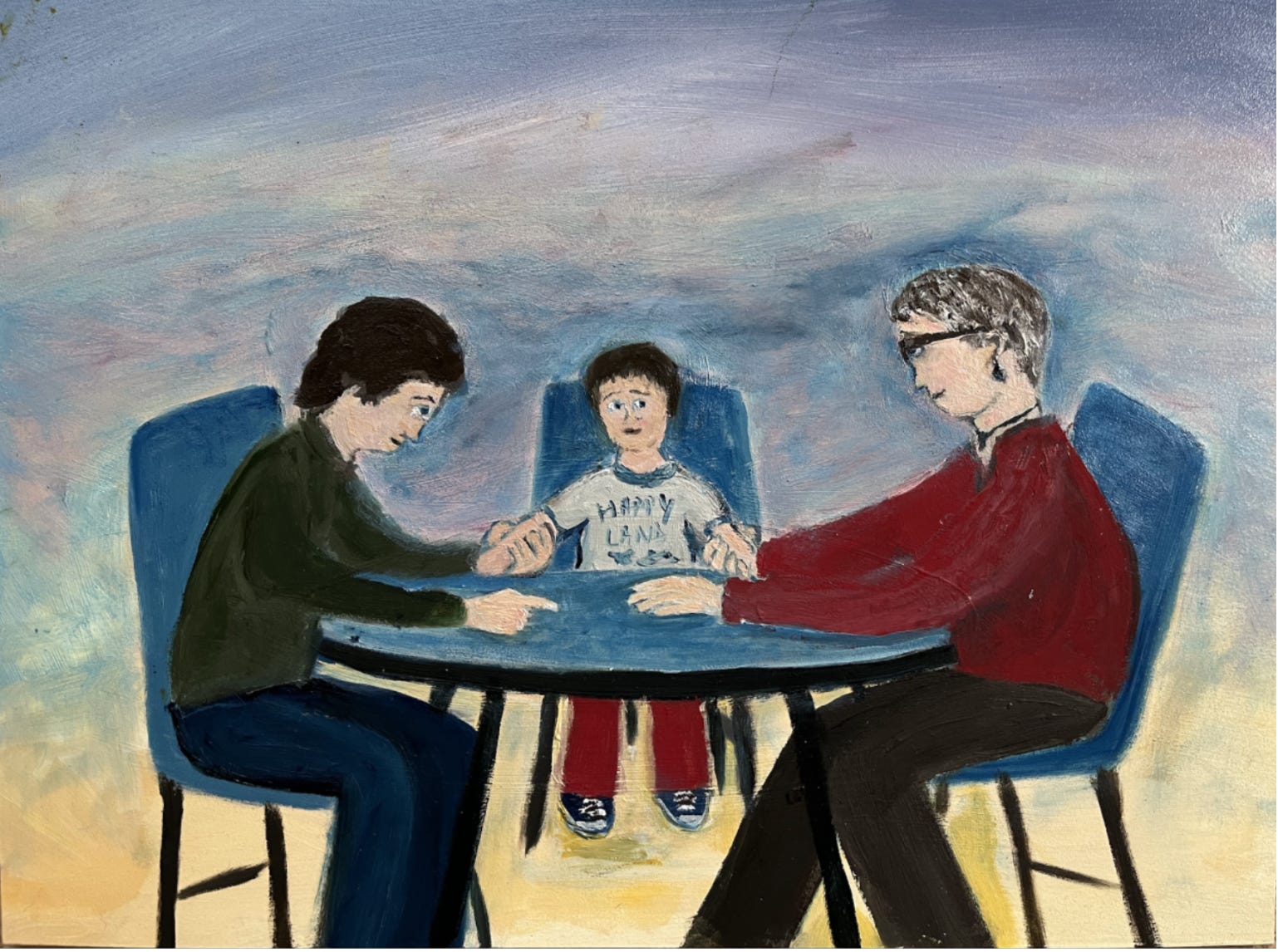
My perspectives on so many things are FINALLY softening and shifting. And for the first time in seven decades, I am feeling a very new, fragile, but growing sense of self-love. Not ego or arrogance, but…a kindness toward me I have NEVER allowed before.
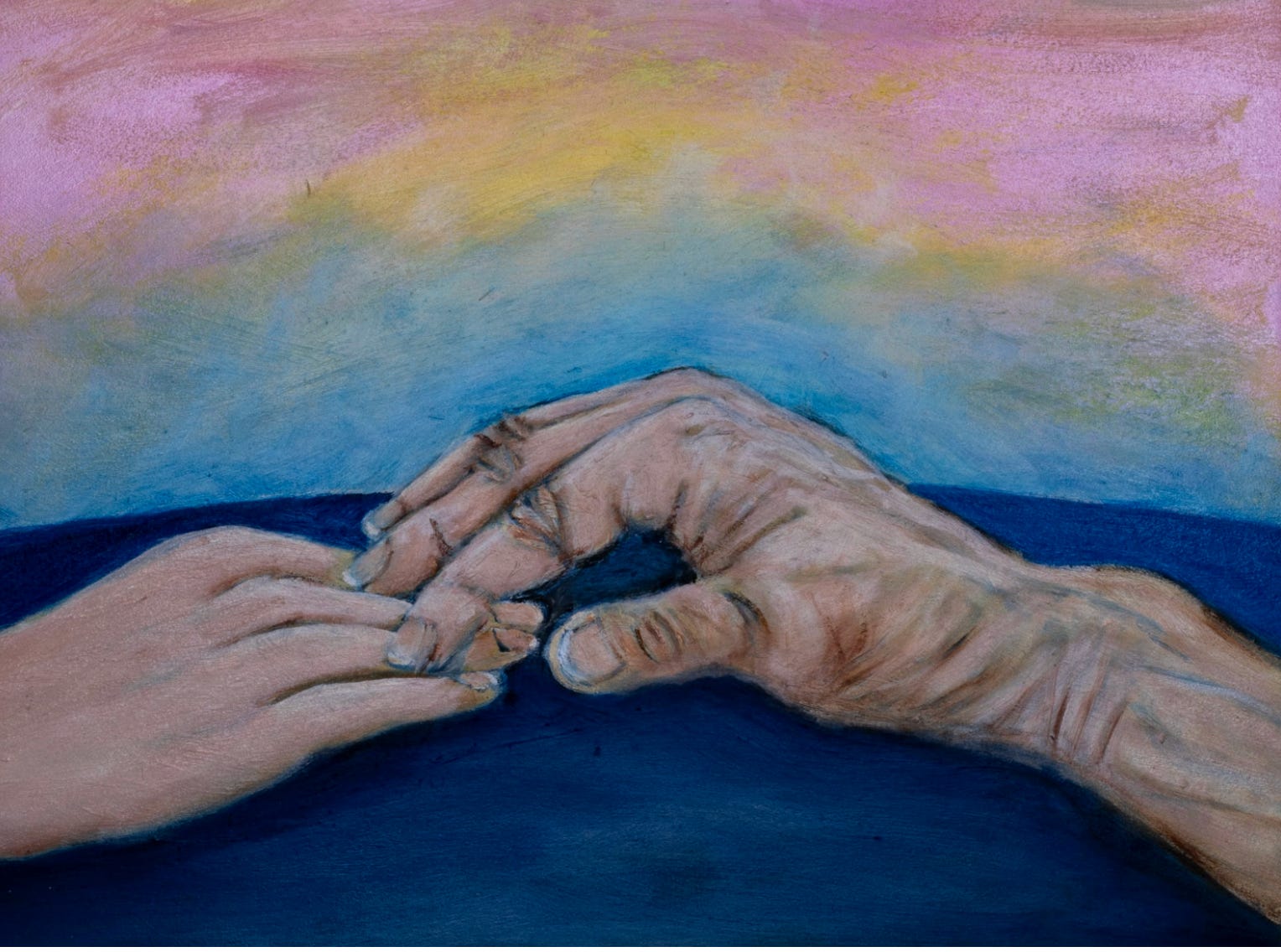
As I go forward, I will be sharing some of the answers I’ve discovered as I started to embrace and love me…as I was finally willing to just see things for what they were, not as a reason to hate me.
Note:
I am seeking financial support to complete my memoir, work with an editor, and make a visit to my home state for fact-checking. Your help would mean the world to me as I take this step toward healing and giving voice to my journey.
Please like, comment, and share this post to help spread the word. The link for my fundraiser is on GoFundMe. Thank you for your support.


Leave a Reply