I am tired. I am tired of struggling and believing and hanging in there. I want to sell everything, and just take off and not have to be responsible anymore. I am tired of struggling and struggling and struggling in life, of reaching for dreams or challenges, trying to live my beliefs, stay open to others, all while life just keeps pounding you. Life, can be murderous. Someone said it’s not the big things that get you, but the accumulation of all those small aggravations, like being nibbled to death by ducks.
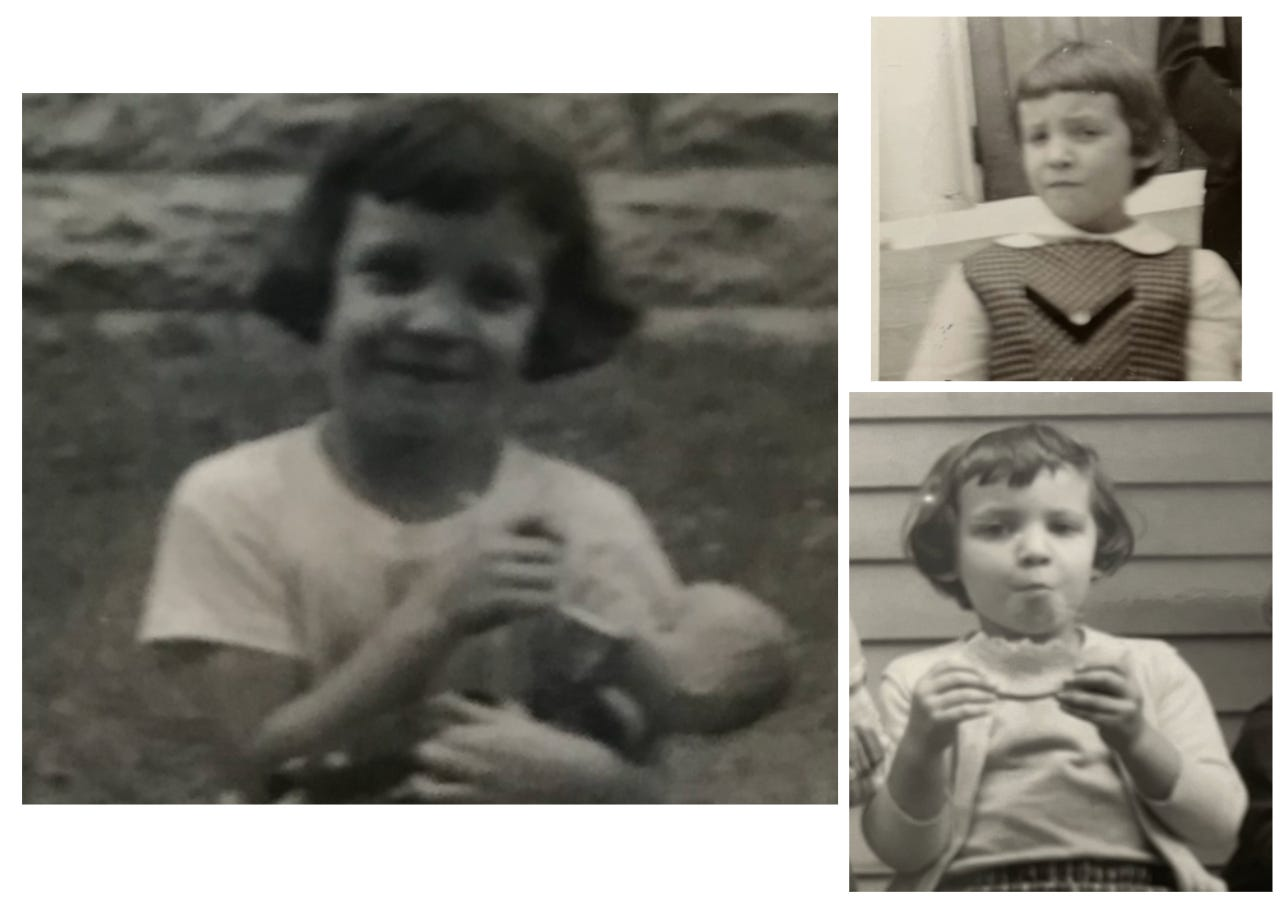
Now often those are the words of the tired 2-year-old, and we all have one. Usually when the 2-year-old speaks it, the 52-year-old understands, knows it’s just a rant, and keeps going. It’s those moments in life though, when the 2-year-old utters it, and the 52-year-old agrees, that I know I have to stop and attend to my heart. Those are the times I reach for wisdom others have culled from their lives and put into words.
So for today, I simply leave everyone with the wisdom from others who have been there and lived through it to see the other side:
___________________________
In a murderous time
the heart breaks and breaks
and lives by breaking. It is necessary to go
through dark and deeper dark
and not to turn.
From “The Testing-Tree” by Stanley Kunitz
________________________________
“The only way out is through.”
Unknown
________________________________
“As a species, we should never underestimate our low tolerance for discomfort. …Never underestimate our inclination to bolt when we hurt. …Being compassionate enough to accommodate our own fears takes courage… We need to be told that fear and trembling accompany growing up and that letting go takes courage. Finding the courage to go to the places that scare us cannot happen without compassionate inquiry into the workings of ego. So we ask ourselves, “What do I do when I feel I can’t handle what’s going on? Where do I look for strength and in what do I place my trust?”
The Buddha taught that flexibility and openness bring strength and that running from groundlessness weakens us and brings pain. But do we understand that becoming familiar with the running away is the key? Openness doesn’t come from resisting our fears but from getting to know them well. Rather than going after those walls and barriers with a sledgehammer, we pay attention to them. With gentleness and honesty we move closer to those walls…get to know them well. We begin a process of acknowledging our aversions and our cravings. We become familiar with the strategies and beliefs we use to build the walls…Without calling what we see right or wrong, we simply look as objectively as we can.
….We can begin to pay attention to our methods of escape. …We can misuse any substance or activity to run away from insecurity. When we become addicted to the lord of form, we are creating the causes and conditions for suffering to escalate. We can’t get any lasting satisfaction no matter how hard we try. Instead the very feelings we’re trying to escape from get stronger….Transformation occurs only when we remember, breath by breath, year after year, to move toward our emotional distress without condemning, or justifying our experience.”
Pema Chodron from the book, The Places That Scare You
_____________________________
“Abandon any hope of fruition.”
Mind training slogan #28, of the 59 mind-training slogans or Lojong teachings of Atisha Dipankara, an eleventh century Buddhist teacher who brought these teachings from India to Tibet. These teachings show us how to transform difficult moments…what we most dislike about ourselves….the greatest obstacles in our lives – anger, resentment etc., into the means to awaken our open heart.
For a full teaching by Pema Chodron on this particular slogan, see her book: Start Where You Are : A Guide to Compassionate Living by Pema Chodron, Copyright 1994, Shambhala Publications.
You can also click on the link at the bottom left of the “Tonglen and Mind Training” web page or click here
Two excerpts from her teaching:
“Our next slogan is “Abandon any hope of fruition.” You could also say, “Give up all hope” or “Give up” or just “Give.” The shorter the better.
One of the most powerful teachings of the Buddhist tradition is that as long as you are wishing for things to change, they never will. As long as you’re wanting yourself to get better, you won’t. As long as you have an orientation toward the future, you can never just relax into what you already have or already are.”
” In Boston there’s a stress-reduction clinic run on Buddhist principles. It was started by Dr. Jon Kabat-Zinn, a Buddhist practitioner and author of Full Catastrophe Living. He says that the basic premise of his clinic-to which many people come with a lot of pain-is to give up any hope of fruition. Otherwise the treatment won’t work. If there’s some sense of wanting to change yourself, then it comes from a place of feeling that you’re not good enough. It comes from aggression toward yourself, dislike of your present mind, speech, or body; there’s something about yourself that you feel is not good enough. People come to the clinic with addictions, abuse issues, or stress from work-with all kinds of issues. Yet this simple ingredient of giving up hope is the most important ingredient for developing sanity and healing.”
For a complete list of the mind training slogans: click here
________________________
“You gain strength, courage and confidence by every experience in which you really stop to look fear in the face. You are able to say to yourself, ‘I have lived through this horror. I can take the next thing that comes along.’ You must do the thing you think you cannot do.”
“People grow through experience if they meet life honestly and courageously. This is how character is built.”
Both, by Eleanor Roosevelt, who also instructed us to:
“Do One Thing Every Day That Scares You.”
So now, I will try to see if the 2-year-old, and 52-year old, can reach agreement in their hearts, to struggle on and “do the thing you think you cannot do.”
 Soul Mosaic